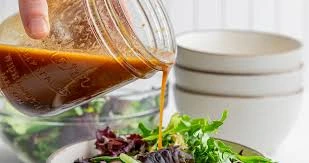
This tangy, sweet balsamic vinaigrette recipe is quick to make and more flavorful than any store bought vinaigrette. It’s based on a simple, memorable ratio that makes it easy to customize for any salad, grain bowl, roasted vegetable, or marinade.
What is Balsamic Vinaigrette?
Balsamic vinaigrette is an emulsified salad dressing of balsamic vinegar and olive oil, usually with some seasoning. Traditional balsamic is sweet, and some recipes include a sweetener to balance out the bitterness/munch that is often found in the vinegar. You don’t want to bite into a balsamic vinaigrette and have it taste like a vinegar bomb. A well made balsamic vinaigrette recipe should taste smooth, bright and balanced.
You will need
- Whisk and a small bowl, or, a mason jar with a lid to shake and mix the dressing.
- Measuring spoons and cups.
- A microplane or garlic press (optional).
If you enjoy dinners that are constructed bowl-style, you should definitely check out my Burger Bowl Recipe
Main Ingredients (and some reasonable substitutes)
To achieve a simple and reliable balsamic vinaigrette recipe, the key is balance:
- Balsamic vinegar is the base of the flavor profile.
- Extra-virgin olive oil.: adds richness and body
- Dijon mustard is the emulsifying agent, with a bit of tang. You can omit it or switch to yellow mustard, but preferably you should have the Dijon.
- Garlic is optional but comes with savory points. If you want to keep it less aggressive, you can use a bit of garlic powder instead.
- Sweetener: honey, maple syrup, or brown sugar (optional)
- If your balsamic is naturally sweet, you can skip it.
- Salt + black pepper: necessary for a more finished taste
Balsamic Vinaigrette Recipe (Makes About 1/2 Cup)
Yield
Approximately 1/2 cup (8 tablespoons), or 4–6 salad servings
Ingredients
- 3 tablespoons balsamic vinegar
- 1/2 cup (8 tablespoons) extra-virgin olive oil
- 1 teaspoon Dijon mustard
- 1 small garlic clove, finely grated (optional)
- 1–2 teaspoons honey or maple syrup (optional, to taste)
- 1/4 teaspoon salt (plus more to taste)
- 1/4 teaspoon black pepper
Optional add-ins (pick one):
- 1 teaspoon Italian seasoning, or
- 1 tablespoon finely chopped basil, or
- 1 tablespoon grated Parmesan
Step-by-Step Instructions
Step 1: Start with vinegar + flavorings
Begin with placing balsamic vinegar, Dijon mustard, garlic (if using), sweetener, salt, and pepper in a bowl or jar. Whisk (or shake) until smooth.
Step 2: Slowly add oil to emulsify
Then, while whisking, add olive oil in a slow, steady stream; or if using a mason jar, add the oil, close the lid, and shake for 15-20 seconds. (It may take some vigorous shaking.)
The dressing will become slightly thicker and more uniform, which is the goal for your balsamic vinaigrette recipe.
Step 3: Taste and adjust
Lastly, taste and note any adjustments:
- If the dressing is too sharp, add 1/2–1 teaspoon more honey.
- If it’s too sweet, add 1–2 teaspoons more vinegar.
- Is it too oily? Just add a splash more vinegar and a bit of salt.
The Best Ratio to Remember (So You Can Scale It)
A classic vinaigrette is 3:1 oil to vinegar. This means that for a larger batch. Just keep that ratio and add your seasonings to taste.
Simple Variations
1) Creamy balsamic vinaigrette
Add 1 tbsp of mayo or Greek yogurt. And also reduce the oil a bit to keep it from being too thick.
2) Balsamic dijon (sharper and more pungent)
Increase the dijon to 2 tsp. But make sure to taste it first. The mustard can vary in strength.
3) Herb balsamic dressing
Chopped basil, parsley or oregano to taste. And let it sit for 10 mins so the herbs can bloom.
4) Shallot balsamic vinaigrette
Add 1 tbsp minced shallots. And it makes it taste even more restaurant style.
How to Use It
This balsamic vinaigrette recipe is delicious on:
- mixed green salads
- roasted brussel sprouts or carrots
- quinoa or farro bowls
- grilled chicken (as a quick marinade, use less oil and more vinegar)
Storage
This can be stored in a jar in the fridge for 7 to 10 days, the only problem is that the oil will likely solidify. You can let the jar sit in the room temp. for 10 to 15 mins and then shake again before serving.
What to do if they don’t work
“It separated”
This is perfectly normal. Just shake or whisk it again. To prevent it from separating again, add some dijon.
“It tastes bitter”
Oils are naturally bitter; that’s the case for extra-virgin olive oil. An olive oil that is less bitter or a blend with avocado oil would suit best.
“It’s too acidic”
A little bit of honey with a sprinkle of salt might help. You may want to adjust the oil to increase the quantity.
“It’s too thick”
A little bit of water should help with the consistency. Whisk in 1–2 teaspoons to adjust the thickness without making the dressing too oily.
Frequently Asked Questions
Can I make this without mustard?
Yes, but it is going to be less stable. You may want to shake it right before you serve it. You can also add a little spoon of mayo to help create a more stable emulsion.
Is balsamic vinaigrette healthy?
With a little oil, balsamic vinaigrette is healthy. It’s oil-based, so the portion control should be there. The good part is the ingredients are simple without any preservatives.
Can I use balsamic glaze?
Yes, but balsamic glaze is very sweet with a thick consistency. You can use it, but be mindful. You should use balsamic glaze in a very small portion (1 tsp) along with some vinegar to get the right acidity.
Conclusion
You’re going to love this balsamic vinegar dressing recipe. It is very simple once you get the ratio to the ingredients. You can also add your own spin on it and make it more tailored to whatever salad you are making.