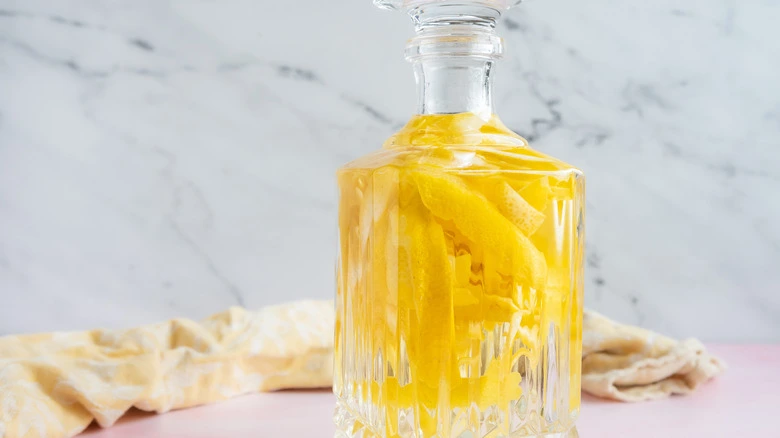
A homemade limoncello recipe includes lemon zest, vodka, sugar, and water, and the infusion takes commitment, but it is easier when compared to other liqueurs. Tax the lemon zest and infuse it in the vodka to create the aroma, and combine the tart to sweet simple syrup with lemon zest. In the end, an authentic homemade liqueur contains a taste that is fresher and lemon-forward. You will have bottled liqueurs that infuse the spirit with the essence of lemon.
Limoncello
Limoncello is an Italian liqueur flavored with lemon zest steeped in the spirit that is sweetened with syrup to taste. The liqueur keeps its flavor clean and lovely because only the zest is used. The recipes are good when there is enough infusion time.
What to Use
- For the syrup, a microplane and a large jar (1-2 L)
- o-coffee filter and fine cloth filter for more transparency
- Small pot
- Funnel and syrup liqueur.
If you’re making a snack meal-prep, you may also like this Protein Balls Recipe.
Key Ingredients (and Smart Notes)
When it comes to crafting that clean and bright limoncello recipe, each of these individual components are vital:
- Lemons: use organic and unwaxed, if possible. In the meantime, scrub well and then completely dry
- Vodka: eighty proof (40% ABV) works well, however, a smoother vodka results in smoother sips
- Sugar: standard clear syrup, and to achieve this use granulated sugar
- Water: if your tap has a strong taste use filtered water, instead
Optional add in: 1/2 vanilla bean, or a small/a tiny splash of the vanilla extract, if you’d like a “creamsicle” hint (use very little).
Limoncello Recipe (Classic Infusion Method)
Yield
About 750 ml to 1 liter (depending syrup amount)
Ingredients
- 8–10 lemons (some you’ll use the zest for)
- 750 ml vodka (1 standard bottle)
- 2.5 cups (500 g) granulated sugar
- 3 cups (720 ml) water
Step-by-Step Instructions
Step 1: Zest lemons (and avoid the pith)
Start by washing and drying the lemons. Then peel off the zest, widely and in strips, avoiding the white pith as much as possible. In the case you do get pith, you may remove it with a knife.
Step 2: Infuse with the vodka
Put your zest into a clean glass jar and pour the vodka to cover. Seal tightly and store in a cool dark place for 7–10 days and shake the jar each day. The vodka will become a bright yellow and lemony colored and this will be your limoncello recipe flavor base.
Step 3: Strain
After the infusion is complete, the zest can be discarded. For a more appealing presentation, consider a secondary strain through cheesecloth or a coffee filter at the expense of longer filtering times.
Step 4: Make the simple syrup
At the same time, the syrup can be made by melting the sugar in the water over a direct medium flame in a saucepan. Superheating can be avoided. It can be boiled, and then cooled to room temperature.
Step 5: Combine and rest
When the syrup and the infused vodka reach room temperature they can be combined. Afterward, they must rest combined in a chilled space, preferably a refridgerator, for at least a day. They will reach their maximal flavor and smoothness after two weeks.
How Strong Is It (and How to Adjust)
This recipe can be considered a classic strength, generally ranging from 25-30% ABV. Looking for more variance? Follow along:
- Stronger: less syrup (1/2 cup less of water)
- Sweeter: more sugar (1/4–1/2 cup (50–100 g))
- Lighter: water (just a splash)
The homemade limoncello recipe can be more easily adjusted to personal tastes, especially with the variability in lemon strength. The simplicity of the recipe allows for a great deal of quick adjustments.
Limoncello Serving Suggestions
Serve ice-cold in small glasses. You can keep the whole bottle in the freezer.
- If you want a quick spritz, add a dash to sparkling water.
- You can use limoncello to make ketone drinks, lemon drop martinis, and lemon drop tonic cocktails.
- You can drizzle it over fruit or spoon it into whipped cream.
Variations
1) Extra-bright
Add the zest of an extra lemon and infuse 10–14 days. Strain it twice to make it a bit cleaner.
2) Vanilla limoncello
To make vanilla limoncello, add ½ a vanilla bean to the jar for the duration of the infusion. It will then be removed when the limoncello is to be strained.
3) “Creamy” lemon liqueur
Stir in a small amount of sweetened condensed milk only when serving. You then end up with a dessert-like drink.
Storage
- A completed limoncello recipe is easy to store.
- The Freezer makes it ice-cold and the best way to serve it. It won’t become a solid ice block.
- It can be in the Fridge if you want it to be a bit less thick, or it can be on the shelf. (Keep it cool and dark)
- If you use it in a 6–12 months in the best taste.
Troubleshooting
It tastes bitter
It’s most likely the pith that you had in your Limoncello recipe. Going forward, be sure to zest more carefully, and be sure to trim any white bits beforehand.
It’s cloudy
After adding some syrup, cloudiness can occur, especially after refrigerating. If this happens, it is perfectly normal and safe. In the future, you can filter it again and use syrup that is fully cooled to achieve a clearer color.
It tastes too sweet
In the future, you can decrease the sugar to avoid this. Currently, you can fix this by diluting with sparkling water or adding a little more vodka, and placing it back in the bottle.
It tastes too strong
In this case, adding some cooled syrup to it is a good idea. You can also add some water and sugar that is dissolved, then leave it to sit for another 24 hours, then re-taste it.
Frequently Asked Questions
Can I use Everclear instead of vodka?
Using Everclear instead of vodka is also an option, but it is a much stronger alcoholic beverage. This means you will need to add even more water or syrup to the mixture to have the same consistency, and you will need to be careful with your measurements.
How do I know infusion is done?
When the zest is pale, the alcohol is a bright, aromatic yellow the infusion is done. Also, if the jar of alcohol smells like lemon oil when you smell it, then the infusion is finished.
Do I need to use organic lemons?
If you are using the peel, yes, it is highly recommended. If you can’t get organic lemons, then it’s important you clean and dry the lemons completely before you zest.
Conclusion
This is a simple, but powerful limoncello recipe: be careful with your zest, take your time with each step of the infusion, and combine the cooled syrup. After the mixture is smooth, you can freeze it. In the future, you can change the consistency and strength with less or more adjustments. This means you will have a lemon flavor for your alcohol any time.